
Federal Immigration Changes Reshape Thompson Rivers University’s International Landscape
Recent changes to Canadian immigration policy are having a profound impact at Thompson Rivers University (TRU), as declining international enrolment and tighter study permit regulations ripple through programs, staffing, and long-term planning. Immigration, Refugees and Citizenship Canada (IRCC) plans to reduce “Canada’s temporary population to less than 5% of the total population by 2027.”
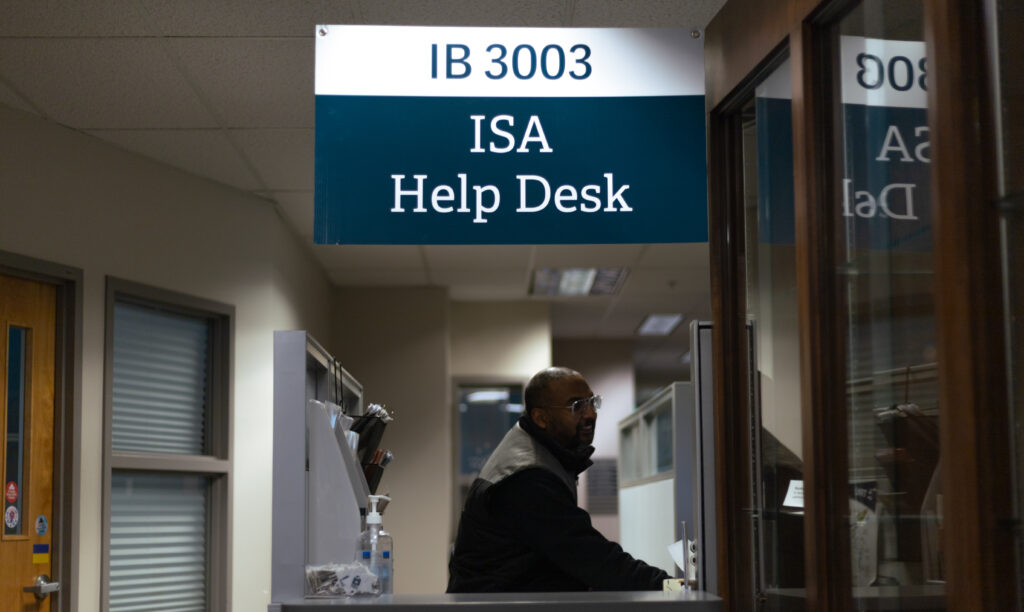
According to one International Student Advisor (ISA) at TRU, the IRCC has “aggressively reduced the number of international students.” Nationally, the amount of valid study permit holders has fallen from over one million in early 2024 to approximately 725,000 by September 2025 – and is expected to drop further, as stated by the Government of Canada. With fewer study permits approved and stricter application reviews, the immigrant community in Kamloops and institutions like TRU are feeling the strain.
Abdul Kader Noman, a care aid from Bangladesh who’s been in Canada for three years, says “We heard that immigration [to Canada] would be smooth as butter. But no – the scenario has changed a lot now.” However, he adds that the increased scrutiny of visa applications is not the crux of this issue. “We needed a change, but the problem is the government is changing so drastically and so quickly. Students and immigrants are struggling to cope with the new policies.”
The tightening of Post-Graduation Work Permit (PGWP) eligibility has further complicated matters. “We had approximately 15 [programs] that were eligible for post graduation work permits and went down to only three.” For many international students, the ability to gain Canadian work experience after graduation is a key reason to study in Kamloops. “If your program isn’t giving post-graduation work permits… why am I in it?” one advisor asked. “Many of those colleges – this was their key selling point.”
Financially, the consequences are significant. International students pay substantially higher tuition than domestic students – making them a major source of institutional revenue. Noman says he paid nearly $10,000 for his eight-month Health Care Access Program (HCAP), while many permanent residents and domestic students are paid to study. “I have some students who work with me, and they get about $3,000 every month just to go to school,” he says. While such funding initiatives may help address healthcare labour shortages, the disparity between domestic and international students in the same program is striking. With enrolment declining and students graduating who are not being replaced at previous rates, the international population is rapidly decreasing. “Little money coming in… you need funds to pay staff and everything. So it’s going to affect personnel. That’s just the truth,” says one ISA.

While the changes are drastic, the university is working hard to mitigate these abrupt shifts in enrolment. An ISA informs that, “Compared to a lot of institutions, TRU has done pretty well in trying to retain staff.” Some employees have been offered early retirement options to help “balance the books,” and leadership is described as having “tried as much as they possibly can” to preserve positions.
To support students navigating stricter processes, TRU has partnered with BorderPass , a group of trusted Canadian immigration lawyers, offering document assistance at no extra cost for future students. However, this battle is far form over. “If it’s a five-stage process, I’d say we’re still at two,” one staff member reflected.
As enrolment continues to contract, the university faces the challenge of adapting programs to align with Canada’s labour needs. “There are ways to navigate this [budget deficits],” a source noted. “You have to find programs that, when you finish, can provide benefit to Canada.”
As the federal government continues to roll out these objectives, TRU is working to maintain stability for its staff and students – a task that may become increasingly challenging in the years ahead.